
Partnership: Selmo x fischertechnik
Practical automation processes made accessible for everyone! Together with fischertechnik, a leading provider of construction and educational models,...
4 min read
DI Markus Gruber
:
Jul 28, 2026 1:07:14 PM
On January 20, 2027, the new EU Machinery Regulation (EU) 2023/1230 will take effect. While many companies are focusing on CE marking and new safety requirements, one crucial question often remains unanswered: How well do you understand the behavior of your existing machinery?
Many production systems have been running reliably for years—often with older control systems such as TwinCAT 2, Siemens S5, or S7. However, over the years, functions have been expanded, custom solutions added, and documentation only partially updated. The result: The machine works, but knowledge of its actual process logic is lost.
This is precisely where risks to safety and documentation can arise. The new Machinery Directive raises the bar, particularly with regard to software, digital documentation, and the assessment of significant changes. In our view, modern hardware alone is not sufficient—it is also crucial to understand the machine’s behavior.
In retrofit projects, therefore, the focus is no longer solely on the PLC code. Far more important is the technical reality of the machine: What states exist? Which safety functions are active? What interactions determine the process?
With its PTF (Process, Technology & Function) analysis, Selmo takes a different approach. Instead of migrating existing code, the actual machine behavior is analyzed and documented as a formal process model. This creates transparency, a robust foundation for modernization, and significantly better documentation throughout the entire lifecycle.
When Machine Knowledge Becomes a Business Risk
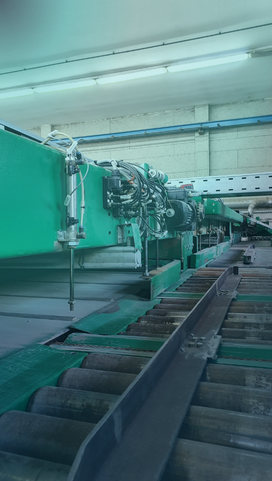
A mid-sized machine builder planned to modernize an automated plate-cutting system. Although the machine had been operating reliably for years, no one could fully explain its behavior anymore. Critical process knowledge was scattered across PLC code, documentation, and the experience of individual employees.
Instead of simply migrating the existing control system, the actual behavior of the machine was modeled first. This made it possible to identify previously unknown process dependencies and hidden issues before they became production or modernization risks. Only then was the retrofit carried out.
As a result, the project provided a reliable basis for decision-making, reduced project risk, and significantly decreased dependence on implicit expert knowledge. The retrofit became more than a technical upgrade—it became a strategic investment in the company's long-term resilience and future competitiveness.
The Machinery Directive is therefore far more than just a legal requirement. It demonstrates that anyone who wants to operate their machines safely in the long term should understand their actual behavior. Those who document the technical reality of their systems today lay the foundation for safe retrofit projects, better digitalization, and long-term competitiveness.
From 20 January 2027, the EU Machinery Regulation (EU) 2023/1230 will become fully applicable. It replaces the current Machinery Directive 2006/42/EC and introduces expanded requirements, including in the areas of software, cybersecurity, digital documentation, and safety-related machine functions.
Existing machinery does not have to be automatically replaced or recertified. The Machinery Regulation becomes particularly relevant when a machine is substantially modified, expanded, or modernized in a safety-related way. In such cases, it should be assessed whether a new risk assessment and conformity assessment are required.
A substantial modification may be considered to have occurred if changes to a machine—such as modifications, new functions, or software updates—introduce new hazards or significantly increase existing risks. Whether a modification qualifies as substantial must be assessed on a case-by-case basis, taking both technical and legal aspects into account.
The Machinery Regulation explicitly recognizes software as a safety-related component of a machine. Companies should be able to clearly identify which software functions influence machine behavior—particularly when implementing changes or carrying out risk assessments.
Older machines often lack up-to-date documentation, clear functional descriptions, or complete process knowledge. Without a clear understanding of machine behavior, retrofit projects become more difficult to plan and may increase both technical and regulatory risks.
In our experience, the existing PLC code alone is often not sufficient. While it shows how the machine has been programmed, it rarely explains why a process behaves the way it does, which special cases exist, or how safety functions and machine states interact.
The technical reality of a machine describes its actual, traceable behavior. This includes process sequences, machine states, functions, responses, dependencies, and safety-related interactions.
PTF stands for Process, Technology & Function. A PTF Analysis examines the actual behavior of a machine and documents it in a structured way. The result is a formal process model that can serve as the foundation for retrofits, control system modernization, diagnostics, and technical documentation.
A formal process model provides transparency into machine behavior. It simplifies risk assessments, reduces dependence on individual expertise, and improves the planning of modernization projects, maintenance, and software changes.
A clear understanding of a machine's technical reality provides a reliable basis for risk assessments, technical documentation, and the implementation of safety requirements. It helps ensure that machine behavior is transparent, traceable, and aligned with applicable regulatory requirements.
Cybersecurity becomes relevant wherever tampering, unauthorized access, or software modifications could affect the safety of a machine. Companies should therefore assess how control systems, interfaces, remote access, and software updates are secured and documented.
An older control system does not have to be replaced solely because of its age. The key factors include availability, maintainability, safety risks, spare parts availability, and any planned modifications. However, when modernizing a machine, it is important to assess not only the hardware but also the machine's behavior.
Companies should start by documenting their existing machines, identifying planned modifications, and reviewing the available information on processes, software, and safety functions. It is particularly important to identify knowledge gaps early and create a traceable model of the machine's actual behavior.
A control system migration involves transferring the existing code to a new control platform. A modern retrofit, however, goes beyond the control system by also addressing the process, machine functions, safety requirements, documentation, and the machine's actual behavior.
Digital twins and AI applications rely on clear, structured information about machine states and processes. Without a reliable behavior model, data can be misinterpreted, and critical relationships may remain hidden.
Practical automation processes made accessible for everyone! Together with fischertechnik, a leading provider of construction and educational models,...
On August 23rd, the Governor of Styria, Mag. Christopher Drexler, visited us at our headquarters in Söding. During a tour of our new offices, he...
Our Selmo Studio is now available. We've tested and incorporated your feedback from the beta version and here it is - the official release of Selmo...
